
What is the juice cleanse?
Juice diets have become increasingly popular as ‘quick fix’ programmes, promising dramatic weight loss in a relatively short timeframe, as well as claiming other health benefits such as ‘detoxing’ the liver, enhancing the skin and improving mood. But can they really improve your health, is the weight loss sustainable, and are there dangers to following such extreme eating regimes?

How does the juice diet work?
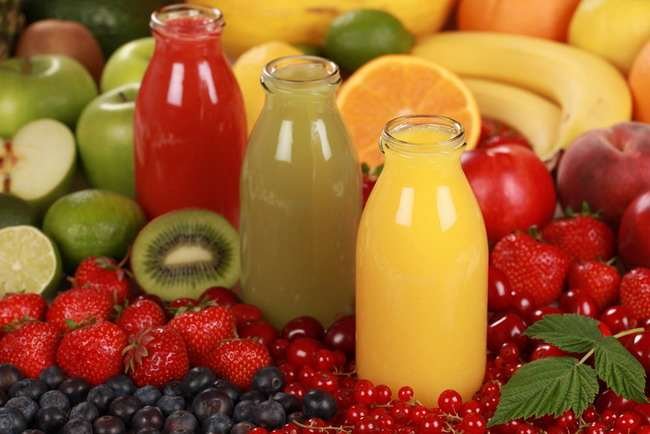
Whether they’re labelled as a juice fast, cleanse or detox, all juice diets are based around consuming a variety of fruits and vegetables in their liquid ‘juiced’ form. Many juice diets involve abstaining from eating other foods and only drinking juice, while some involve eating particular solid foods in conjunction with juices. Whichever approach you adopt the calorie intake is typically very restrictive.
The most extreme juice diets are usually limited to a short period of time – often between three days and one week. Juice diets which permit some solid foods and more calories are sometimes followed for a longer duration. Juice-only diets are usually vegetarian and can also be vegan, although some plans allow you to add honey or yogurt to the juice.
What can I eat on the juice diet?
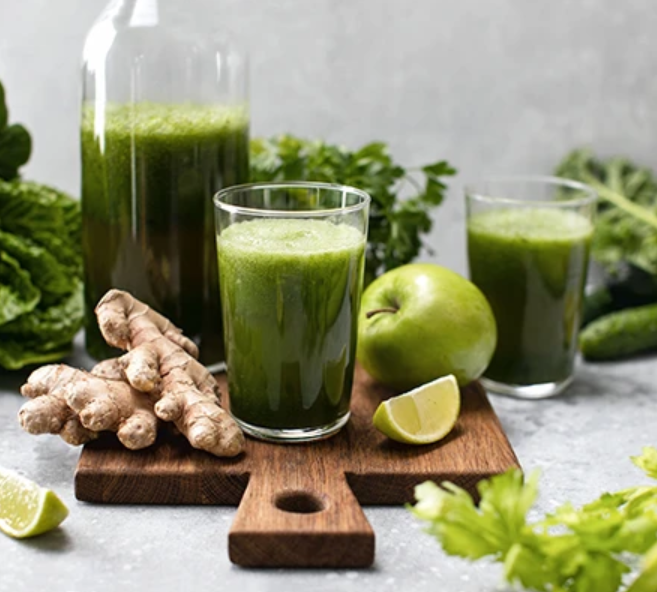
As the name suggests, the juice diet involves consuming only juiced fruit and vegetables. You can make these at home or buy them ready-made. In the most extreme cases, all solid foods are off the menu, although a few plans may include soups. Green juices, made with celery, spinach or kale, are included to make sure you’re getting enough green leafy veggies.
Is the juice diet healthy?
The very action of juicing whole fruit and vegetables eliminates certain nutrients — dietary fibre is an obvious one as well as other beneficial nutrients which are found in or just under the skin and in the seeds. An example is the white pith of citrus fruits like oranges, which is a useful source of protective flavonoids.
The mineral iron, important for supporting energy levels, and fats, including the essential omega-3 variety, are key nutrients which are likely to be missing from a juice-only diet. Fats are essential for hormonal production and balance, as well as for us to think clearly. Another important macronutrient which is likely to be lacking is protein. We need protein to maintain muscle and to support growth and repair as well as for hormone production.

High in sugar
Juices made from fruit are high in sugar. This is because juicing releases the sugars in fruit – making them ‘free’ sugars, the type we are advised to cut back on – and at the same time it removes the fibre, this results in the sugar being more quickly absorbed into the blood stream.
The combination of a rapid rise in blood sugar levels and lack of fibre may result in hunger and cravings on a juice-only diet. Some experts have expressed concern that drinking fructose in liquid form may impact the liver, and could potentially fool our brains into thinking we are still hungry, which may also increase appetite and cravings. The British Dental Association has also confirmed a link between juice consumption and tooth decay.
Juicing for weight loss
Most people are likely to lose some weight following a juice diet because it involves cutting out sources of fat and protein and significantly cutting calorie intake. However, the weight loss is unlikely to be sustainable in the longer term once you return to your regular eating habits. You should be aware that the amount of weight you lose will be dependent on your own individual circumstances, including how much weight you had to lose at the outset.
There is currently some evidence to suggest that a short-term three-day juice diet may have benefits for gut health and in turn, benefit longer term weight maintenance. This is because the balance of bacteria in the gut is thought to influence weight.
Juicing for better skin
Raw fruit and vegetables are excellent sources of skin supportive nutrients like collagen-supportive vitamin C and skin-friendly beta-carotene (vitamin A). However, some of these beneficial nutrients like vitamins A, E and K need fat for them to be absorbed — the lack of fat in a juice diet may, therefore, impact how well we access these vitamins. For healthy, youthful skin you also need to include sources of protein and the poly-unsaturated varieties of fats such as omega-3 fatty acids, both of which are typically deficient in a juice only diet.
Other dietary changes that are implicated in a juice diet, such as eliminating refined sugars, processed foods and alcohol, may support improvements in skin condition.
Mood-boosting
There are some reports of a general improvement in mood when combined with lifestyle changes. This may be more to do with the other dietary changes implicated, such as cutting back on processed and junk foods, as well as eliminating alcohol, caffeine and refined sugars.

A nutritionist’s view
There’s little scientific evidence to support juice diets as an approach to better health. It’s important to state that if you follow this sort of diet for longer than a couple of days it is unlikely you will get all the nutrients you need, this puts you at risk of many health issues.
While fruit and vegetables are an important part of a balanced diet and we should all aim to be eating a minimum of five portions a day, unsweetened juice only counts as one of your five-a-day regardless of how much you drink, this is because juice doesn’t contain the fibre found in the whole fruit and vegetables.
When it comes to detoxing, our bodies have a built-in detox system which includes the liver, kidneys, lungs, gut and skin. So, you do not need to follow a juice diet to kick-start the detox process – your body is working hard to do this for you on an ongoing basis.
If you are considering a short-term juice diet, make the juices yourself with fresh, organic produce focusing on vegetables and flavouring with a small amount of fruit. Juice only as much as you need, when you need it to optimise your nutrient intake and add back some of the extracted pulp to ensure the inclusion of fibre and valuable phytonutrients. Vary the fruit and vegetables you use to optimise nutrients.
Who should avoid juice diets?
If you have a medical condition or are on prescribed medication, consult your GP before making any drastic changes to your eating patterns. The high consumption of natural sugars implicit in juicing can cause blood-sugar levels to fluctuate, so those with diabetes or blood sugar management issues should avoid juice diets.
It is also advisable to avoid juice diets if you:
- are pregnant, or breastfeeding
- are elderly, or under 18
- are recovering from surgery
- have kidney or liver conditions
- have epilepsy
- have anaemia, or low blood pressure
- have a history of eating disorders
Does the juice diet work?
In the short term, juicing may leave you feeling more energised and even lead to some weight loss. However, any extreme diet which removes multiple food groups is best approached with caution. The diet is unsustainable and you’re likely to put any weight back on as soon as you go back to your regular eating habits. What’s more, it’s a high-sugar diet, so it may increase feelings of hunger and have a negative impact on liver health, sleep and teeth.
Please note: if you’re considering attempting any form of diet, consult your GP first to ensure you can do so without risk to health.